Navigating the healthcare system can be overwhelming, especially when faced with complex terminology, lab results, and chronic disease risk factors. While much of the internet focuses on quick fitness fixes, true longevity requires a foundational understanding of clinical health markers. This educational hub bridges the gap between medical science and daily lifestyle habits. Our goal is not to replace your doctor, but to equip you with the practical, evidence-based knowledge necessary to have informed, proactive conversations with your healthcare providers.The reality of modern medicine is that many of the world's most prevalent chronic conditions are heavily influenced by modifiable lifestyle factors. Understanding the pathophysiology of how diseases develop—from the gradual accumulation of arterial plaque to the onset of insulin resistance—empowers you to take control of your metabolic health. By learning how sleep, stress management, resistance training, and nutrition impact your internal biology, you can shift from simply treating symptoms to actively preventing disease and improving your long-term quality of life.This page contains practical breakdowns of different chronic illnesses, especially those that have significant lifestyle factors. The information will be presented from the perspective of professionals who specialize in adult health education, so you can expect practical take home advice. We are not offering medical advice and this should not replace professional medical advice and guidance from your doctor but it can help better equip you for your conversations with healthcare providers.

Chronic illnesses such as Type 2 Diabetes, Cardiovascular Disease, and Dementia are often viewed as inevitable consequences of aging or genetics. However, current epidemiological research demonstrates that these conditions share common, preventable root causes: chronic systemic inflammation, endothelial dysfunction, and metabolic syndrome.While non-modifiable risk factors (like family history or the APOE4 genetic variant) do play a role, lifestyle interventions are incredibly potent. For instance, structured exercise and strategic dietary changes can improve pancreatic beta-cell function and reduce diabetes risk by over 50% in high-risk individuals. Similarly, protecting cardiovascular health through blood pressure management has a profound, cascading effect on brain health, directly reducing the risk of cognitive decline and dementia. Understanding the interconnected nature of these diseases is the first step toward comprehensive prevention.
Read More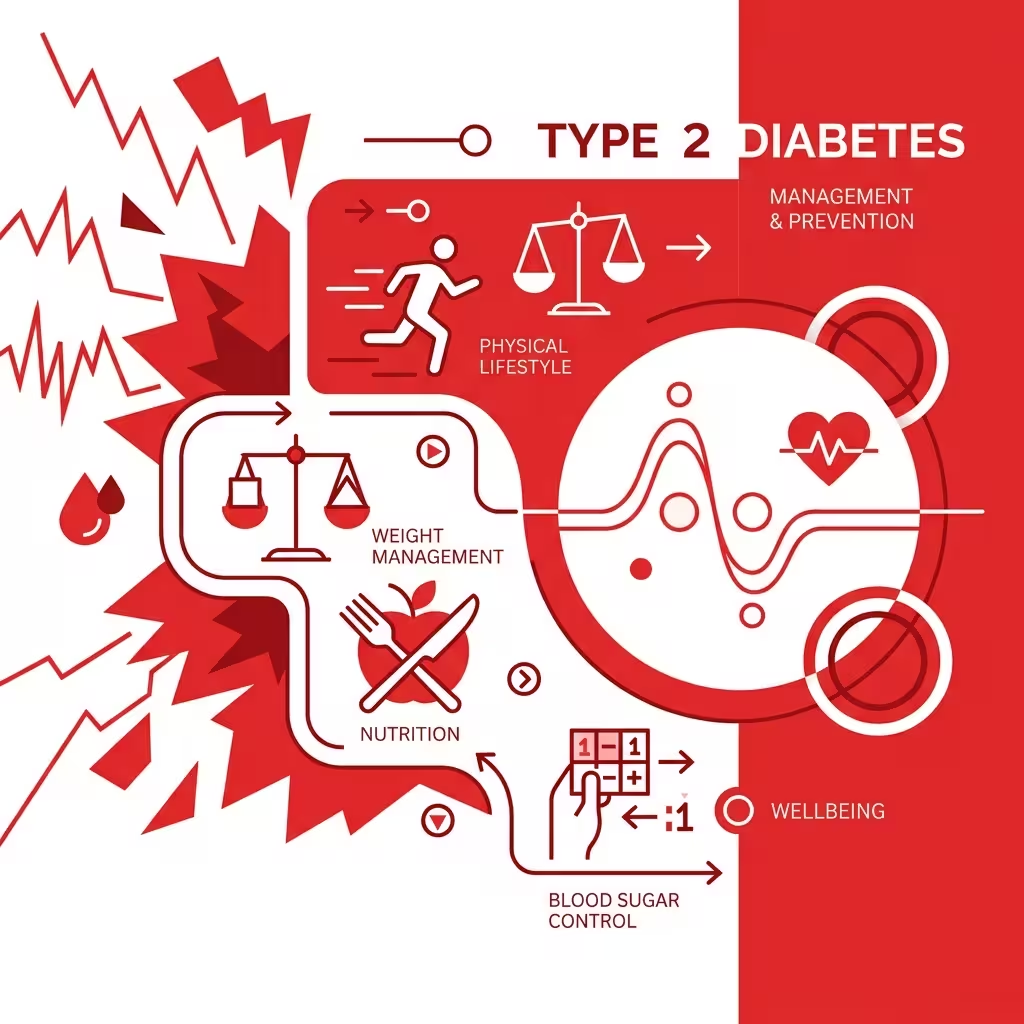
Type 2 diabetes affects over 460 million adults worldwide, yet it remains one of the most preventable chronic diseases. This comprehensive guide explains what happens in your body when diabetes develops—from insulin resistance to pancreatic beta cell dysfunction—and breaks down both the risk factors you can't change (like age and family history) and the powerful ones you can control. Research shows that modest lifestyle changes—losing just 5-10% of body weight, walking 30 minutes most days, and making strategic dietary swaps—can reduce diabetes risk by more than 50% in high-risk individuals. Whether you're looking to prevent diabetes, reverse prediabetes, or better manage an existing diagnosis, this article provides the evidence-based knowledge and practical action steps you need to take control of your metabolic health.

Cardiovascular disease represents the leading cause of mortality globally, accounting for approximately 17.9 million deaths annually and one in five deaths in the United States. This comprehensive educational article examines cardiovascular disease through multiple analytical frameworks, beginning with detailed explanation of disease pathophysiology—specifically how atherosclerosis develops through endothelial injury, lipid accumulation, inflammatory responses, and plaque formation that ultimately leads to clinical manifestations including myocardial infarction, stroke, heart failure, and arrhythmias. The discussion systematically categorizes risk factors into non-modifiable variables (age, biological sex, genetic predisposition, family history, race and ethnicity) and modifiable determinants (hypertension, dyslipidemia, tobacco use, physical inactivity, obesity, type 2 diabetes, poor dietary patterns, excessive alcohol consumption, chronic stress, and inadequate sleep).
Dementia affects 50 million people worldwide—but nearly half of cases may be preventable. Learn how 14 modifiable risk factors spanning early life, midlife, and later life influence your brain health. This evidence-based guide breaks down the heart-brain connection, explores practical lifestyle strategies including exercise, nutrition, cognitive engagement, and social connection, and provides an actionable prevention plan anyone can start today. Understand why what's good for your heart is good for your brain—and how small changes now can protect your cognitive health for decades to come.
When you receive a blood panel or biometric screening, the numbers on the page tell a detailed story about your metabolic health. Unfortunately, many patients are only told whether their numbers are "high" or "low" without understanding the biological mechanisms behind them.To actively improve your health, you must understand what these clinical markers actually represent. For example, Hemoglobin A1C is not just a blood sugar reading; it is a three-month historical average of glucose attached to your red blood cells. Similarly, a lipid panel requires understanding the difference between LDL cholesterol, HDL, and apolipoprotein B (ApoB)—the actual particles responsible for arterial plaque buildup. Furthermore, recognizing the silent danger of visceral fat (the hormonally active fat surrounding your organs) explains why someone with a "normal" body weight can still be at high risk for metabolic disease. The resources below break down these complex biomarkers, translating clinical data into actionable lifestyle strategies.
Read More
Most people make at least one critical mistake when measuring blood pressure at home, and these errors can inflate readings by 5 to 15 points or more. This comprehensive guide walks you through the evidence-based technique for accurate home monitoring, from the five-minute seated rest almost everyone skips to proper cuff placement, arm positioning, and the seven-day measurement protocol that gives you and your doctor the most reliable data. You'll also learn about white-coat and masked hypertension, why validated devices matter, and how to avoid the most common measurement errors.
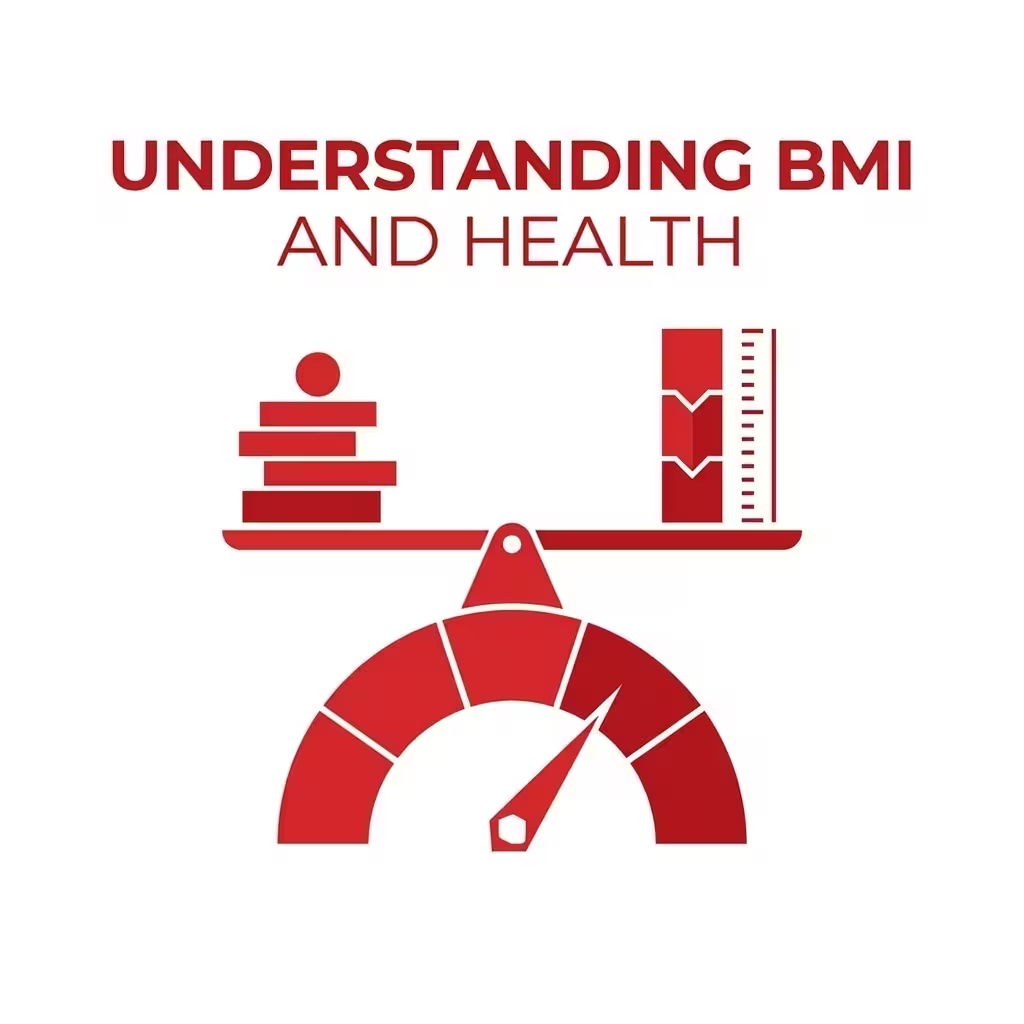
Body Mass Index (BMI) estimates health risk using height and weight, but it can't distinguish muscle from fat. While it works well for tracking population trends, BMI becomes more useful for individuals when combined with body composition data, waist circumference, and other health markers. Discover when BMI is helpful and when it falls short.
Hemoglobin A1C reveals your average blood sugar control over the past 2-3 months by measuring glucose attached to red blood cells. This guide explains how A1C testing works, what different readings mean (normal below 5.7%, prediabetes 5.7-6.4%, diabetes 6.5% or higher), and why it matters more than single blood sugar tests. You'll discover how excess weight and insulin resistance drive elevated A1C, and learn evidence-based strategies to lower your numbers including sustainable weight loss, consistent physical activity combining aerobic and resistance training, improved diet quality emphasizing whole foods and fiber while reducing refined carbohydrates, adequate sleep, and effective stress management. Small, consistent lifestyle changes produce meaningful A1C improvements that reduce diabetes risk and protect long-term health.

Understanding blood pressure is essential for anyone beginning their health journey. This comprehensive guide explains what blood pressure measures, breaks down the meaning of systolic and diastolic readings, and clarifies what those two numbers reveal about your heart's work. You'll learn the different blood pressure categories from normal to hypertensive crisis, discover why high blood pressure silently damages multiple organs over years, and understand when low blood pressure becomes concerning. The guide also explains pulse pressure—the difference between your two numbers—and what wide or narrow pulse pressure indicates about arterial health. Most importantly, it provides eight practical, evidence-based strategies for maintaining healthy blood pressure through lifestyle modifications, including sodium reduction, heart-healthy eating patterns like the DASH diet, regular physical activity, weight management, and stress reduction techniques that you can implement starting today.

Confused by your lipid panel? This beginner-friendly guide explains the differences between LDL and HDL, uncovers the truth about dietary fats, and gives you the practical tools you need to discuss your cardiovascular health with your doctor.

We all know that "high cholesterol" is bad for our hearts, but what if your genetics make it harder for your body to manage fats? If you’ve ever wondered about the APOE4 variant or why cardiologists are suddenly emphasizing "ApoB," this comprehensive guide breaks it all down. Discover how these two genetic players influence your cardiovascular system, the link between heart and brain health, and most importantly, why your genes are not your destiny.
Visceral fat—the deep abdominal fat that wraps around your organs—is one of the most dangerous types of fat you can carry, even if your weight seems normal. Unlike the fat you can pinch under your skin, visceral fat acts like a harmful organ, releasing inflammatory chemicals that increase your risk of heart disease, type 2 diabetes, and metabolic syndrome. This beginner-friendly guide explains what visceral fat is, why it's so risky, how it differs from other body fat, and—most importantly—the proven lifestyle strategies you can use to reduce it through exercise, nutrition, stress management, and sleep.



.png)